
EHS Consultancy Services
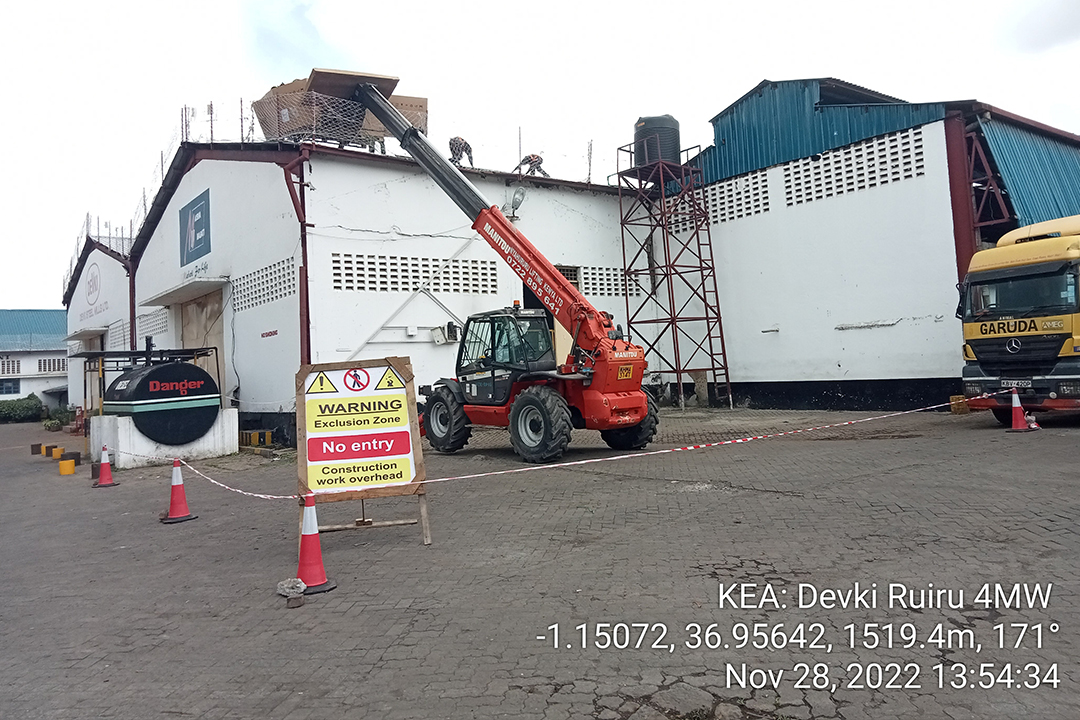
Environment, Health and Safety (EHS) Management is an important tool to adopt while running any project; this ensures that activities or operations are carried out in an environmentally sound, safe and healthy manner. Various organizations have different structures and commitments with regards to EHS management and most of the time need support to adopt the aforementioned environmental and sustainability standards; Dieliza provides consultancy services in Safety, Health and Environment management to help organizations integrate an SHE conscious culture throughout all their processes. We have a team of EHS experts who are well skilled and experienced to provide the following key EHS management services:
- SHE Documentation.
- SHE Oversight.
- SHE Compliance Monitoring and Supervision.
- SHE Statutory Compliance (The Occupational Safety and Health Act, 2007, and Environmental Management and Co-Ordination Act, 1999, chapter 387)
- OSH Audits
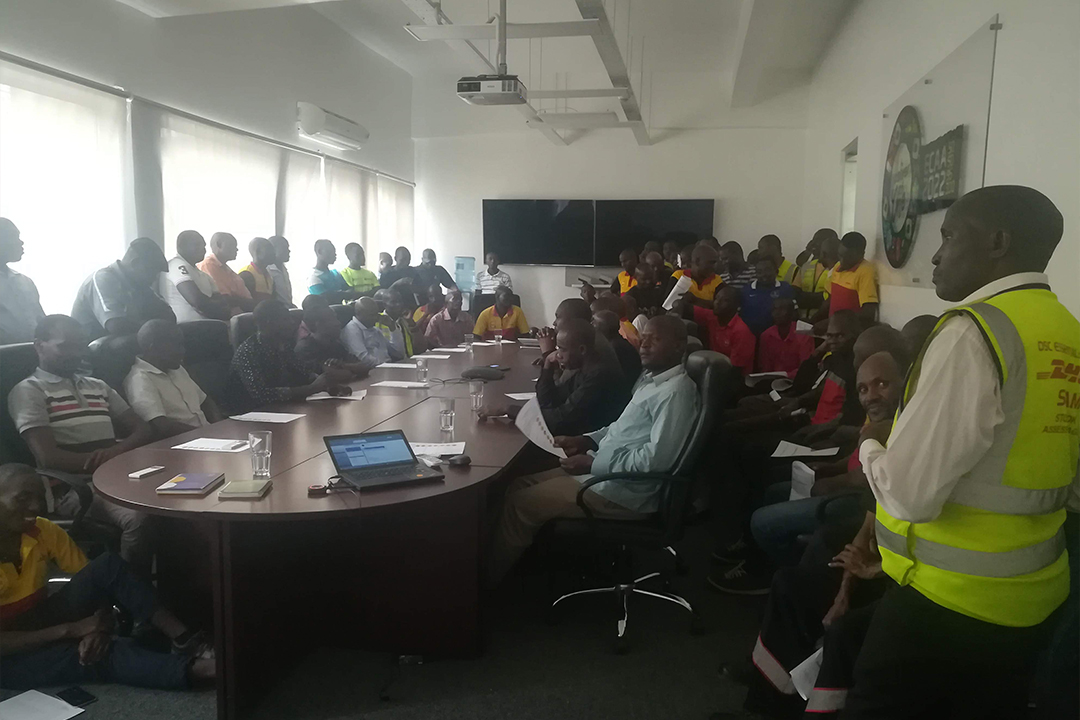
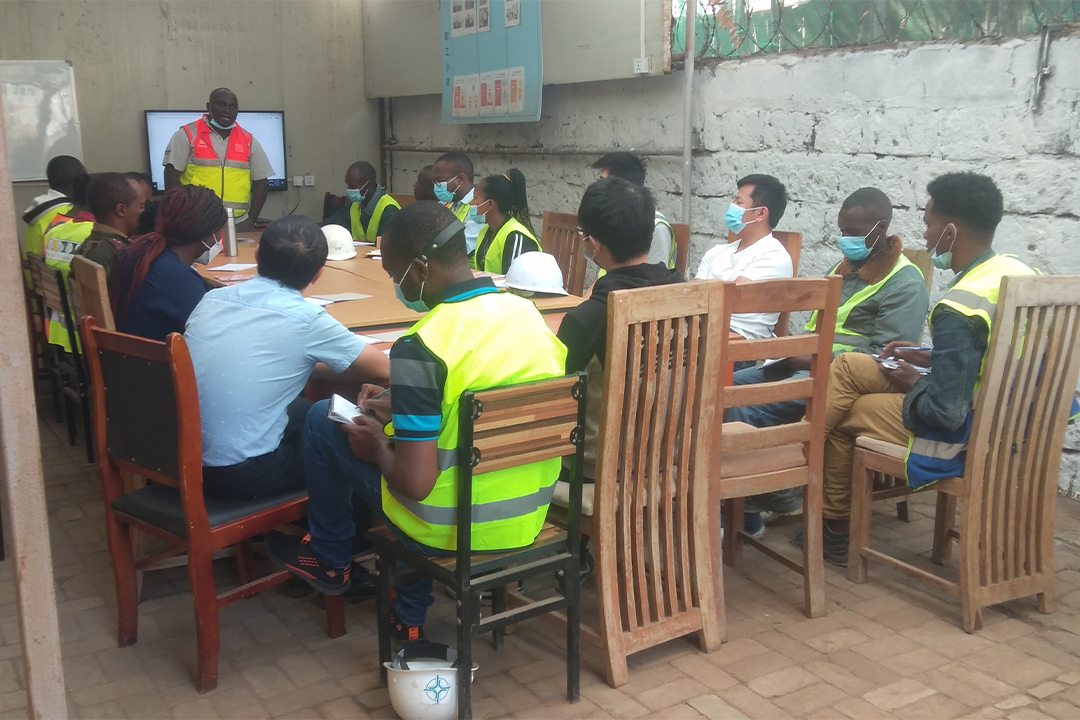
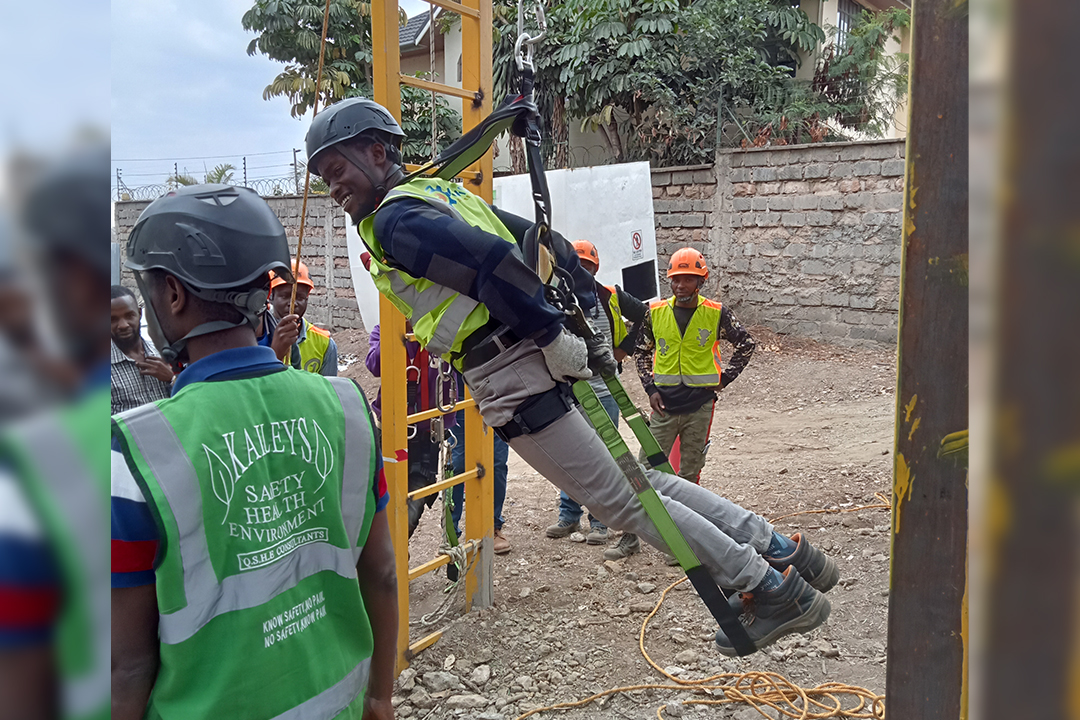
- OSH trainings
- EIA/EA Audit.
Auditing and Needs Assessment
Safety and Health Auditing: Undertaken in line with the provisions of section 11 of the Occupational Safety and Health Act, 2007 to assess safety and health practices in a facility against the local legislation, and / or any other standard a company subscribes to and propose opportunities of improvement.
Occupational Noise Survey and Mapping:
Noise measurements should be undertaken at least once every twelve months in every workplace in order to determine the prevailing noise conditions. We shall in addition advance practical and economically viable recommendations in eliminating noise hazard.
Risk Assessment and Job Hazard Analysis:
Risk assessment is the start to risk management process and will enable employers to understand the action necessary to improve workplace health and safety as well as enhance productivity. Risk assessment will be conducted pursuant to the Occupational Safety and Health Act, 2007. “Every occupier shall carry out appropriate risk assessments in relation to the safety and health of persons employed and, on the basis of these results, adopt preventive and protective measures to ensure that under all conditions of their intended use, all chemicals, machinery, equipment, tools and process under the control of the occupier are safe and without risk to health and comply with the requirements of safety and health provisions in the law.
Fire Safety Auditing
In tandem with the requirements set out in OSHA 2007 and Fire risk reduction rules, 2007 that requires every occupier to cause a fire safety audit of the work place to be taken at least once every twelve months by an approved fire safety auditor” A fire safety audit re-affirms that controls are in place for identified fire risks and identify any deficiencies in fire safety preparedness and to provide preventive and corrective measures to mitigate the identified impacts.
Gap Analysis
In preparation to certification under Occupational safety and health management system (ISO 45001) and Environmental management systems (ISO 14000) .
Trainings
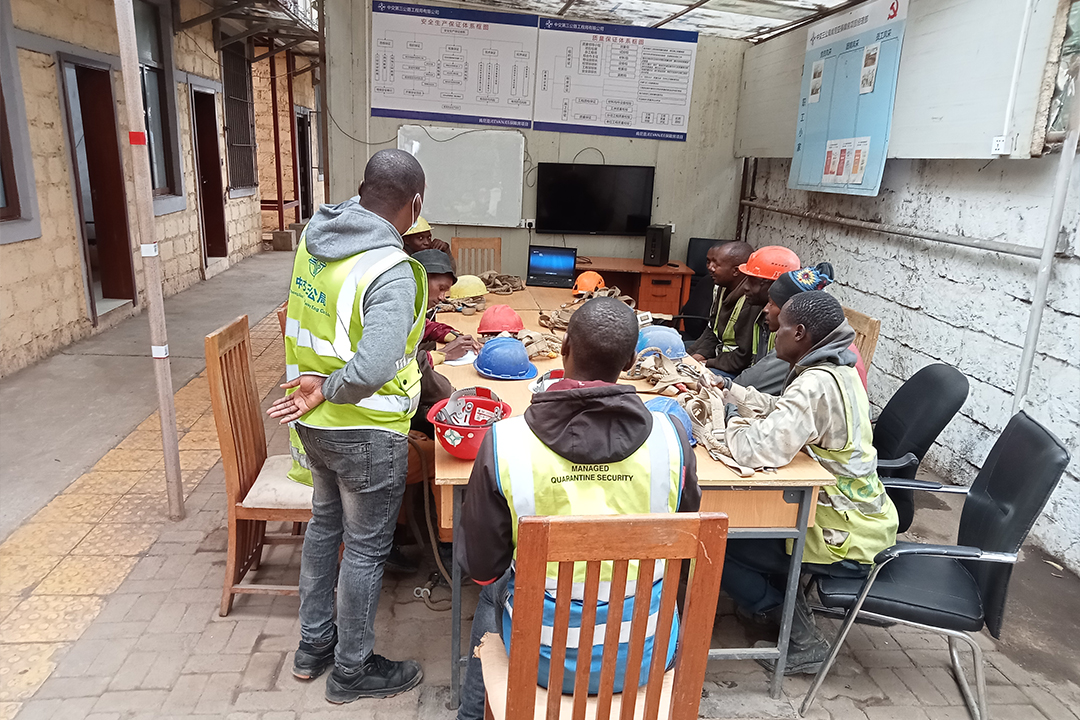
- Occupational Safety and Health Committee Training
Pursuant to The Occupational Safety and Health Act, 2007 section 9 and The Factories and Other Places of Work (Health and Safety Committee) Rules, 2004, every workplace should establish a safety and health committee if there are twenty or more persons employed at the workplace. Every member of the Committee shall undertake a prescribed basic training in occupational safety and health upon appointment or election, as the case may be and thereafter further training from time to time.
- Competent Person’s Training (Task Based)
We targeting the health and safety practitioners and coordinators within workplaces.
Environmental Auditing:
Pursuant to section 68 of the Environmental Management and Coordination Act, 1999 and EMC 2015 Amendment Act; the Environmental (Impact assessment and audit) Regulations, 2003 provide that every on-going project needs to undertake an environmental audit after every 12 months in order to ensure sustainable development and determine the extent to which the activities and programs of an operating business conform to an environmental management plan in a bid to ensure a safe and healthy environment.
Environmental Impact Assessment: –
Environmental impact assessment is undertaken in pursuant with section 58 of the Environmental Management and Coordination Act, 1999. “….any person, being the proponent of a project, shall, before, finance, commencing, proceeding with, carrying out, executing or conducting or causing to be financed, commenced, proceeded with, carried out, executed or conducted by another…” “Environmental impact assessment” means a systematic examination conducted to determine whether or not a program, activity or project will have any adverse impacts on the environment
Trust and Worth
Our Clients